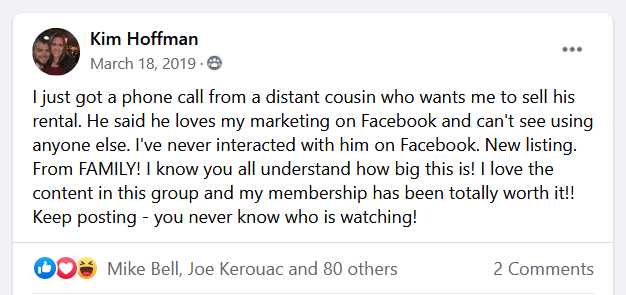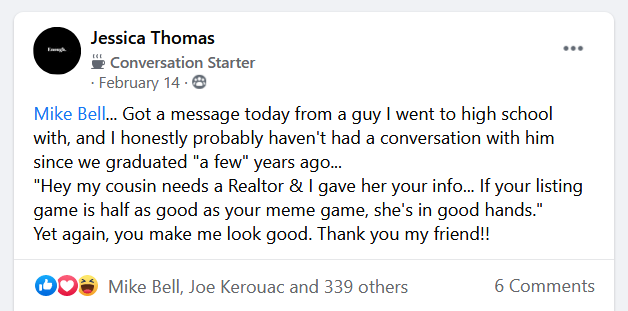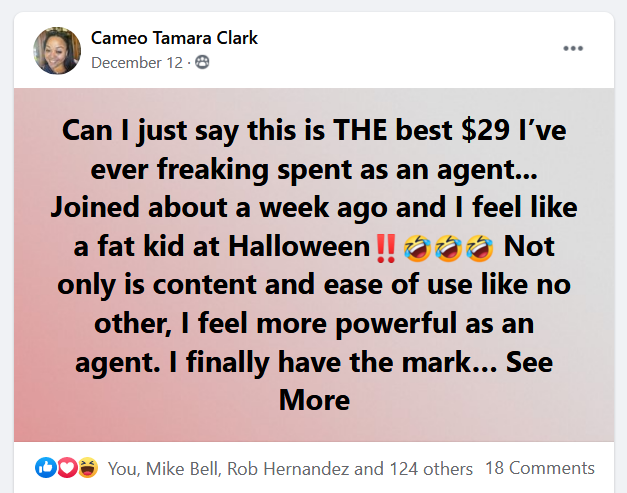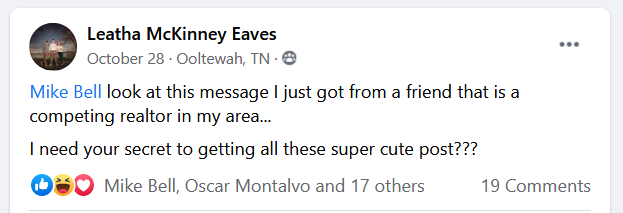










Most Real Estate Agents Use Content Marketing Backwards. Here’s How You Can Flip the Script
Depending on who you ask, content marketing is either the oldest trick in the book… or the next big thing. It’s been called everything from





There comes a point in every home search where you simply have to make a decision when you find a home you like.
You can tour the home twice. Sleep on it for a night or two. Ask friends and family what they think. Maybe even go back for a third tour with friends or family. (Well, at least if you aren’t pressed for time because there’s a bidding war.)
But eventually, there comes a moment when you have to decide whether to write an offer… and if so, how much.
And if deciding on whether or not to make an offer was a difficult decision, coming up with a price can be even more stressful.
After all, if your offer is too low, you might lose the house. If it’s too high, you might spend years wondering if you overpaid.
How are you supposed to know you’re making the “right” decision?
Part of what makes deciding on an offer price so difficult is that most buyers are subconsciously trying to avoid something they haven’t even experienced yet. (And might not ever experience it at all.)
Buyer’s remorse.
It’s that feeling of doubt, anxiety, or regret after making an offer or going under contract on a home. More often than not, it boils down to wondering whether you paid too much. It can show up shortly after your offer is accepted while you’re in escrow, or even after you’ve closed on the home.
“Did I overpay?”
“Should I have offered less?”
“Did I just make a huge mistake?”
Those questions are incredibly common, especially when you’re making one of the biggest financial decisions of your life. And that’s exactly why so many buyers spend so much time agonizing over what number to put on the offer in the first place. They’re not just trying to buy the house—they’re trying to avoid future regret.
The good news is that, deep down, you’re already thinking about all of this before you actually buy the house. Buyer’s remorse can’t happen until after the decision has already been made. Simply being aware of it ahead of time can help you avoid going through those regrets… and perhaps even help you avoid an entirely different type of regret.
One of the hardest things for a real estate agent to balance with a buyer is helping them understand how it might feel if they lose a house they truly love.
Maybe they took too long to decide. Maybe they came in with an offer that was just a little too low. Maybe they got buyer’s remorse after their offer was accepted and found a way to back out of the deal… only to realize later they regretted not buying the house.
Real estate agents see this play out throughout their careers.
They’ve seen buyers replay the decision over and over. Wonder what would’ve happened if they’d offered a little more. Wish they had acted a little sooner. Or realize the home they passed on was exactly the one they had been looking for all along.
That’s why good buyer’s agents try to prepare their clients for both possibilities.
It’s a delicate balancing act. They don’t want to pressure you into spending more than you’re comfortable with. They don’t want to sound alarmist or pushy. Their job isn’t to convince you to make the highest offer possible. It’s to help you make an informed decision you’ll feel good about, regardless of the outcome.
Unfortunately, some buyers inevitably find themselves watching someone else move into the home they can’t stop thinking about… and wondering whether they made the bigger mistake by not buying it.
Interestingly, researchers recently explored this very idea by putting participants through a series of decisions involving real money. In each round, they had to choose between guaranteed payouts and riskier options, creating situations where they could either avoid a loss or later see what they would have won had they made a different choice.
For years, researchers generally treated fear of loss and regret as two separate forces that influence our decisions. But this study found they can actually work at the same time.
Fear of loss was the stronger motivator while people were making their decision. But once participants could see the outcome they had missed, regret became a measurable factor as well.
In a lot of ways, that’s exactly what happens when people buy a home.
Before making an offer, buyers are trying to avoid making a decision they’ll regret. They worry about overpaying. They worry about stretching their budget too far. They worry about making a costly mistake.
But when they lose a house, they can see exactly what they missed.
They drive past the house. They see someone else’s car in the driveway. Holiday decorations on the porch. Flowers blooming in the landscaping. Life unfolding in the home they almost owned.
It becomes the house they almost bought. The one they could have bought. The one that got away.
One of the best ways to reduce uncertainty is to rely on the advice and experience of your buyer’s agent. They’ve helped other buyers navigate these same emotions before. Part market expert, part negotiator, and sometimes part therapist, they can help you separate emotion from reality when it’s time to make an offer.
They can also help you truly understand your local market. Having your agent show you what similar homes have been selling for, how competitive conditions are, and how your target home compares can give you far more confidence than simply picking a number that “feels right.”
Finally, before you write your offer, decide on the highest price you can honestly pay while still feeling comfortable with your decision—whether your offer is accepted or not.
One way to think about it is this: if someone else offered just a little more and got the house instead, would you look back wishing you had stretched a bit further? Or would you be at peace knowing you stayed true to your budget and what the home was worth to you?
There’s no way to eliminate uncertainty when buying a home. But making an informed decision you can feel good about—regardless of how things turn out—is one of the best ways to avoid either kind of regret.



Depending on who you ask, content marketing is either the oldest trick in the book… or the next big thing. It’s been called everything from

“Normal” people often ask me, “Cathy, could I make it if I’m not genetically predisposed to being a Realtor as you were?” Heredity did play

Statistically speaking, the majority of real estate agents don’t make it beyond a couple of years, so don’t feel bad if you’re thinking about giving
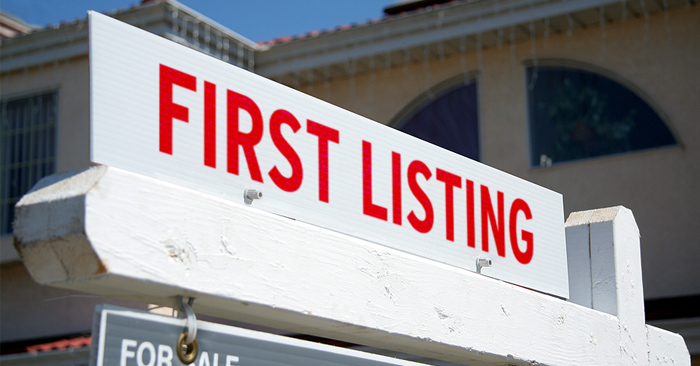
Listing your first house can take some time when you get into real estate. And we’re not talkin’ just weeks or months—it can take years!

Hey there, Real Estate friend – I know Facebook can really burn your biscuits, but… Don’t throw in the towel just yet. Your business page
Depending on your situation, it may not take the full 30 minutes.

This reset password link has expired. Check the latest email sent to you.