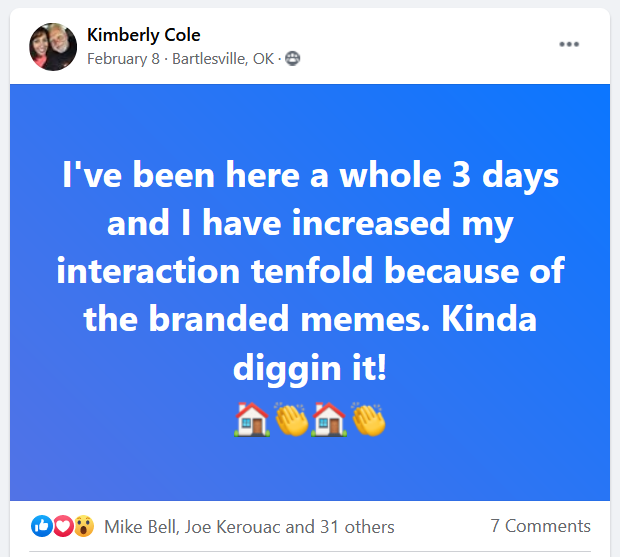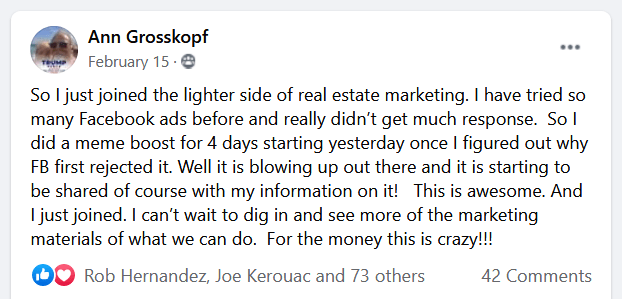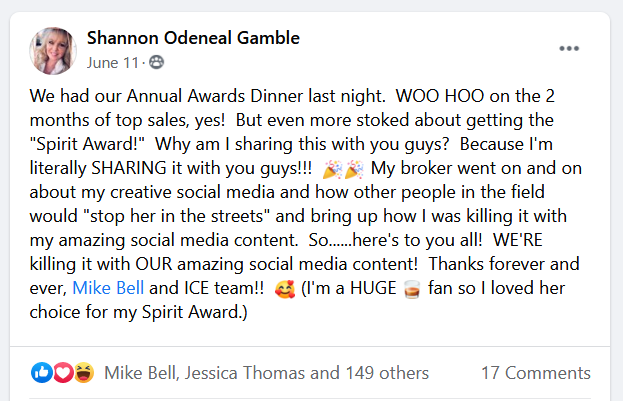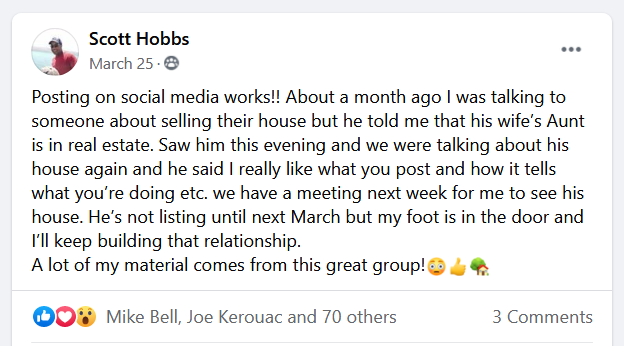












How To Get Other Agents To Drink Your “Kool-Aid”
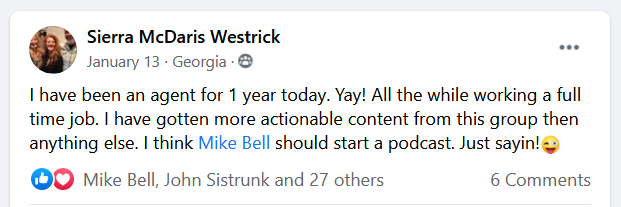
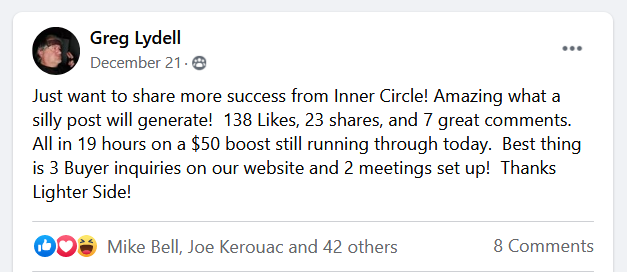
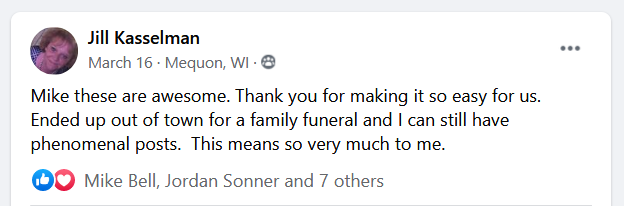
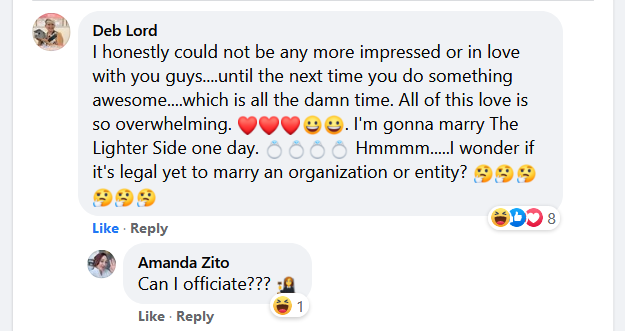
Let me take a stab in the dark here… You feel your company is the greatest, and everyone else should join too. Am I right?






It’s a new year, and if buying a home in 2026 is on your mind, there’s one simple piece of advice worth hearing first: get started now.
Not in March. Not in spring. Not “when the weather gets better.” Now.
Why? For starters, buying a home takes time. A recent Realtor.com article suggests getting started at least six months before you plan to close. That doesn’t mean starting in January automatically puts you on track for a June closing. In fact, if you get started now, there’s a good chance you could be in a home much sooner than that.
On the flip side, even if you don’t plan to move until later in the year, beginning the process early still puts you in a far stronger position when you’re ready to make offers. You’re almost always better off starting sooner rather than later.
There’s a lot involved beyond simply finding a house you like. Financial preparation, getting pre-approved for a mortgage, understanding what you can truly afford, getting a handle on the existing inventory, touring homes, writing offers, negotiating terms, and finally closing — all of that takes time. And that’s before factoring in local competition and inventory.
But as we head into this new year, there’s another reason starting early matters even more — and it has everything to do with what’s happening in the market right now…
One of the biggest reasons to begin in January is where the market stands right now. In many areas, conditions are unusually favorable for buyers — and that’s not something to assume will stick around.
According to recent housing market data, there were roughly 37% more sellers than buyers across the U.S. in November 2025, one of the largest gaps on record going back to 2013.
A gap that large can give buyers more negotiating power. It often leads to more options, more time to consider choices, and greater leverage when it comes to price, terms, and requests for seller concessions.
But that gap can easily close.
Many buyers put off looking for a home until the spring market “officially” begins. That’s in quotation marks because there really is no official date for when the spring market begins. But at some point in the next few months, there will likely be a surge of buyers entering the market.
When that happens, competition will increase and many of the advantages buyers enjoy early in the year will likely begin to shrink. Buyers who wait may find themselves facing more multiple-offer situations, tighter negotiations, and less room to ask for concessions.
Getting started in January doesn’t just give you a head start — it gives you a shot at taking advantage of conditions that may look very different just a few months from now.
If you’re even just thinking about buying a home in 2026, the most productive first step after the new year isn’t scrolling listings or heading out to open houses — it’s having a conversation with a local real estate agent.
National headlines are helpful for understanding broad trends, but real estate is extremely local. Conditions can vary dramatically from one city to the next, from one neighborhood to another, and even from one price range to another within the same town.
An agent can walk you through what inventory looks like right now, how competitive buyers are in your target price range, and whether sellers are negotiating or still holding firm. They can also help you come up with a timeline and strategy based upon your personal situation and the current market conditions.
The Takeaway:
Buying a home almost always takes longer than people expect. That’s why many experts recommend starting the process at least six months before you plan to move. That doesn’t mean it has to take that long — plenty of buyers find and close on a home much sooner. But it does mean that giving yourself time is rarely a bad idea.
Starting as early in the year as possible is always smart, but starting early in 2026 may be even smarter.
With roughly 37% more sellers than buyers — the largest gap we’ve seen since 2013 — today’s market is offering buyers opportunities that may not last once more people jump in later this year. Waiting until spring could mean more competition and fewer advantages than buyers see right now.
If you’re even thinking about buying in 2026, getting the ball rolling in January can put you in a much stronger position. And the best first step isn’t browsing listings — it’s talking with a local real estate agent who can explain what’s happening in your market, help you set realistic.



Let me take a stab in the dark here… You feel your company is the greatest, and everyone else should join too. Am I right?
Most people looking for info on how to become a real estate agent are just wanting to learn how to get licensed and, ultimately, “hired”

Via Big Stock Photo “Home is a shelter from storms—all sorts of storms.” — Political pundit William J. Bennett As I stand at what is probably

You’ve probably been told to build an email database and send them stuff consistently, right? Some agents do. Many don’t. Have you? If you haven’t,

There are tons of ways and places to market yourself as a real estate agent, but email marketing has to be one of the best
Depending on your situation, it may not take the full 30 minutes.

This reset password link has expired. Check the latest email sent to you.