











4 Creative Ways to Land Your First Real Estate Listing
Listing your first house can take some time when you get into real estate. And we’re not talkin’ just weeks or months—it can take years!





It’s common to look around your current home and wish for something better. More space. A different layout. A better location. Fewer compromises.
That feeling doesn’t mean there’s anything wrong with your home—or with you. Very few people live in a place that feels perfect forever, and it’s human nature to wonder whether a different home might make you happier.
That’s why a recent article from Realtor.com about whether a new home can make you happier can feel a little…conflicting. On one hand, it suggests that buying a new home could increase happiness. On the other hand, it says it might not.
It’s an honest take, but it doesn’t really help much.
The reality is, there’s rarely a definitive answer. True happiness usually runs deeper than square footage, finishes, or a new address.
But if you’re hoping for some real clarity about whether buying a new home will actually make you happier, there may be a place to look for answers that most people don’t initially think to turn to…
When people start wondering whether a new home would actually make them happier, they usually don’t start by talking to a real estate professional. They start by bouncing it off of the people (and tools) they have in their day-to-day lives, such as:
Each of these can be genuinely helpful—and in many cases, necessary—to make a thoughtful decision.
The problem is that taken together, they can also make the decision more confusing than clarifying.
All of these perspectives may help you sort through what you think will make you happy. What they tend to lack, however, is true insight into real estate itself.
For many buyers, real estate agents are still viewed through a pretty narrow lens. They’re seen as the person who schedules showings, unlocks doors, writes up paperwork, and—if you’re being cynical—tries to get a deal done as quickly as possible.
That perception isn’t entirely surprising, since much of an agent’s work happens behind the scenes.
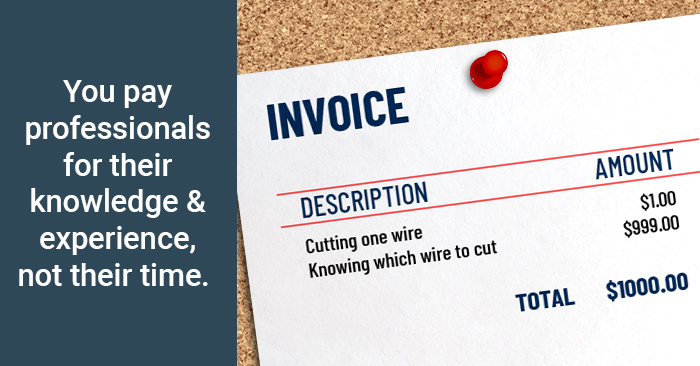
But the truth is, good agents bring far more to the table than they’re usually given credit for—and in many cases, more than they’re ever paid for.
Of course, they handle the things most people envision: showing houses, marketing listings, negotiations, inspections, managing timelines, contracts, and all the moving pieces that make a transaction actually happen. But those are just the baseline skills.
The real value often lies in what agents learn and refine over years of working with people, not just properties.
They’ve watched buyers chase homes they thought would make them happier, but didn’t deliver long-term satisfaction. They’ve helped others find unexpected joy in homes they initially overlooked. They’ve seen decisions driven by emotion work out beautifully—and others unravel under the weight of unrealistic expectations.
That experience gives them context that no article, algorithm, or well-meaning friend can replicate.
Over time, many agents also develop a set of soft skills that rarely get discussed. They often become an unofficial mix of trusted real estate expert, confidant, sounding board, and—at times—something closer to family. Someone their clients turn to for an uncommon blend of personal perspective and professional insight, wrapped into one relationship.
If you find yourself casually saying things like “If only we had a bigger kitchen,” or “I wish this house had a better layout,” or even half-joking with a friend about how much happier you’d be in a different home, it probably doesn’t feel like a moment that calls for looping in a real estate agent.
But that’s actually when bringing an agent into the conversation can be most valuable!
A good agent can help you sort through those early thoughts before you make an entirely emotional decision to move forward, or do nothing and cope with a feeling of unhappiness.
That doesn’t mean your agent should entirely replace the advice of friends and family, but you should definitely consider adding them in as an objective advisor who also understands the emotional side of the conversation.
The Takeaway:
It’s completely normal to feel like a new home might make you happier—and sometimes, it really does. That’s why most people start by running their thoughts and feelings by trusted friends, family, or their significant other. Those conversations matter and can be genuinely helpful.
But many buyers wait to involve a real estate agent until they’ve already made a firm decision to buy, when in reality, looping one in earlier can be far more valuable. A trusted agent can act as a confidant and objective advisor, helping you sort through emotions, expectations, and real-world possibilities. That early clarity can make all the difference between a move driven by hope alone and one that truly supports long-term happiness.



Listing your first house can take some time when you get into real estate. And we’re not talkin’ just weeks or months—it can take years!

Most real estate agents were shocked enough when they heard that The National Association of Realtors and two brokerage firms were liable for $1.8 billion

Depending on who you ask, content marketing is either the oldest trick in the book… or the next big thing. It’s been called everything from

The other day, I stumbled across a video being hyped as the sickest snowboard clip ever captured. I have zero interest in snowboarding, but the

At this point everyone knows not to fall for the email from a Nigerian prince promising to share his fortune with you if you just
Depending on your situation, it may not take the full 30 minutes.

This reset password link has expired. Check the latest email sent to you.