












Should You Join a Real Estate Team? Sure, as Long as You Do This!
At some point in their career, almost every agent either considers joining a team, or is asked to join one. It’s not the right move





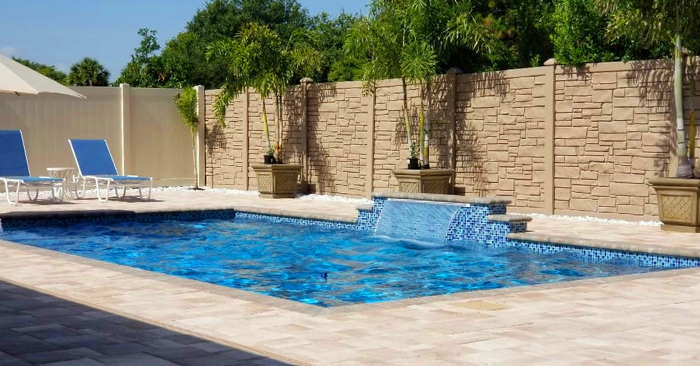
Pools can create a great place to relax, entertain friends, spend time with family, and add to the enjoyment of your home.
However, they can cost a lot to install. And once they’re in, the spending doesn’t stop there. Maintenance, chemicals, opening and closing costs, repairs, equipment replacement, heating…
But when it’s 90 degrees outside and you’re floating in your own backyard while everyone else is wishing they had one of their own, it can feel worth every penny.
And besides… doesn’t owning one improve the value of your home anyway?
Maybe.
Maybe not.
As with most home improvements and features, whether a pool adds value to your home depends on a lot of factors.
But if there’s one universal thing that can tip the scales in your favor (or not!), it’s the laws of supply and demand.
According to industry estimates, there are roughly 10.4 million residential swimming pools in the United States. That sounds like a lot, right? But that’s only about 8% of households.
At first glance, that probably sounds like installing a pool is a no-brainer. After all, if only a small percentage of homes have pools, shouldn’t that automatically make a home with one more valuable?
Not necessarily. Because scarcity alone doesn’t create value. Demand does.
If there are buyers actively searching for a pool and there aren’t many available homes offering one, it can absolutely work in your favor.
And the more specific buyers get with their wish list, the more that can potentially impact value..
Industry data suggests that roughly 59% of residential pools are in-ground and 41% are above-ground. So if a buyer specifically wants an in-ground pool—and your home checks that box—it may become more appealing than competing homes that don’t.
On the other hand, another buyer may prefer an above-ground pool because it can often feel like less of a commitment and may offer more flexibility down the road.
So the fact that relatively few homes have pools—and fewer still of a specific type—could potentially work in your favor.
But the key word is still may.
You’ve probably heard someone say the one thing that affects real estate values most is, “location, location, location.”
Usually, that refers to things like where the home sits within a town, the school district, neighborhood, the view, or any other number of things you can’t really change on your own about a house.
But location also changes how buyers think about features you can add to a home… like a pool.
For instance, if you live in Florida where pools are common and many competing homes on the market also have one, your pool probably won’t stand out all that much. Buyers may simply expect it.
On the other hand, if you live in Alaska where pools are less common but there are buyers who would love a pool, your home may offer something that’s harder to find, which could potentially work in your favor.
So where your home is located will likely have some impact on whether a pool adds value. While only about 8% of homes in the U.S. have pools, certain states and markets have a much higher concentration of them while others have very few.
And to take it a step further, it also depends on whether there happens to be a buyer in the market for a home with a pool at the time you decide to sell…
Not everybody wants a pool. While pools can increase demand from certain buyers, they can also eliminate certain people as potential buyers for your home.
For every buyer imagining summer cookouts and relaxing weekends by the water, there’s another thinking through the downsides to having one. For instance:
But it’s worth keeping in mind that depending on your market, a pool may narrow your buyer pool when it comes time to sell… even if it makes your home much more appealing to the buyers who remain.
It Really Boils Down to How Much Enjoyment It Will Add…
A pool is a great example of something in real estate that doesn’t always fit neatly into a spreadsheet.
Could it add value? Absolutely.
Could it add less value than it cost to install? Also absolutely.
But not every decision about your home has to be measured by resale value alone. Some improvements end up adding to your bottom line when you sell. Others add value of another type because they make you enjoy your home more while living there.
If spending summer afternoons floating in your backyard, hosting friends, cooling off after work, and creating memories with family sounds worth it to you, that may be all the return you need.
But if resale value is something you want to size up before installing one, consider asking a local real estate agent for their take before moving forward. They may be able to tell you whether buyers in your area generally see a pool as a premium feature, or view it as something they’d rather not take on.
The Takeaway:
Recent data suggests that only about 8% of homes in the United States have a swimming pool.
That might make installing one seem like a no-brainer if increasing your home’s value is the goal. After all, if relatively few homes have pools, shouldn’t having one automatically make your home more valuable?
Maybe. But as with most things in real estate, it ultimately comes down to supply and demand.
If buyers in your area are actively looking for homes with pools and there aren’t many available, that scarcity could absolutely work in your favor. But in another market, a pool may simply be expected… or could even limit the number of interested buyers.
If adding value is an important part of the decision, consider asking a local real estate agent whether pools in your market are generally viewed as a premium feature—or simply another thing to maintain.



At some point in their career, almost every agent either considers joining a team, or is asked to join one. It’s not the right move

Social media is a blessing and a curse for real estate agents. It has made it so much easier (and less costly) to stay in

As much as the frantic pace of a “hot” market creates a lot of headlines and excitement, they’re not actually the best of times for

“Let me know if you or anyone you know is thinking about buying or selling a house in the near future!” Sound familiar? Even if
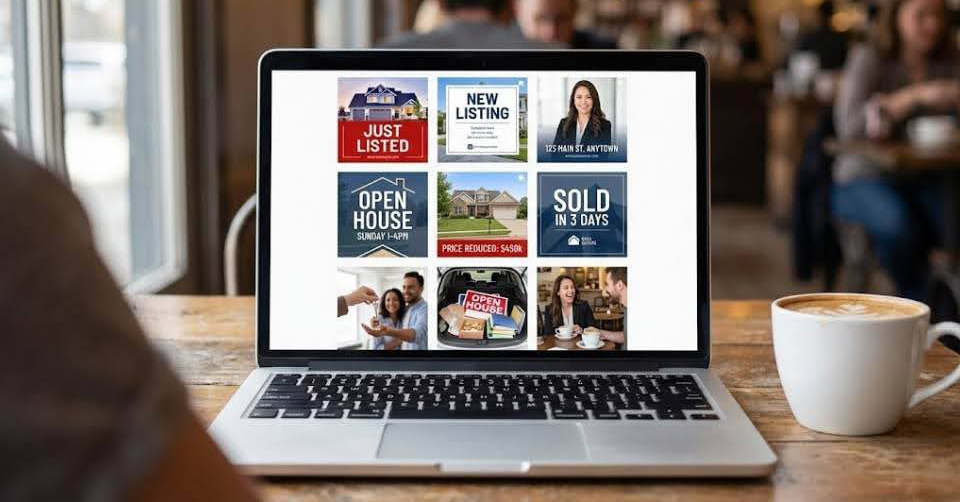
The Meme-Worthy Truth About Why Personal Content Beats Perfect Content You spent 45 minutes designing the perfect “Just Listed” graphic in Canva. Bold fonts. Professional
Depending on your situation, it may not take the full 30 minutes.

This reset password link has expired. Check the latest email sent to you.